
Grid infrastructure often faces significant pressure when operators deploy high-capacity dc fast charging stations in areas with limited power availability. Professionals monitor how a commercial dc fast charger influences local voltage levels and transformer capacity. They assess these impacts carefully, ensuring that every installed dc fast charging stations unit functions without triggering circuit overloads or compromising the stability of the regional power supply.
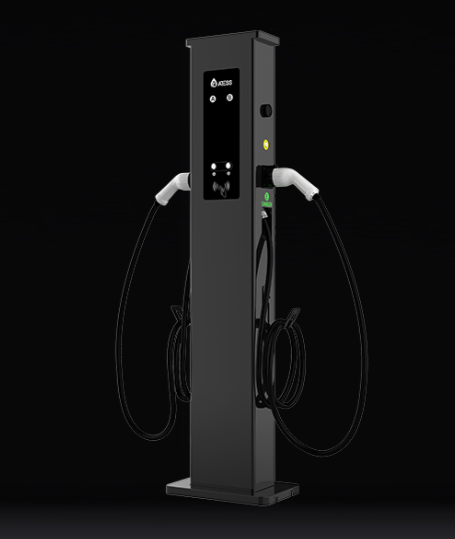
Impact on Electrical Distribution
Deploying a commercial dc fast charger requires a thorough analysis of the existing electrical distribution network. Because these systems draw significant current to minimize vehicle charge times, they can cause temporary voltage drops if the grid is not appropriately reinforced. They implement protective measures and use advanced power conversion hardware to manage these transient spikes. By maintaining a constant watch over load demand, they ensure that the grid remains functional and that other connected businesses do not experience disruptions during peak charging periods.
Thermal and Capacity Management
Hardware reliability is vital for sites operating multiple dc fast charging stations. Atess engineers these units to withstand intensive use while maintaining safe thermal operating ranges. When they oversee these deployments, technicians verify that the cooling systems within each commercial dc fast charger are properly maintained to prevent overheating. This attention to detail is necessary because excessive heat not only threatens the equipment’s lifespan but also impacts the efficiency of the energy conversion process, potentially leading to service interruptions.
Strategic Infrastructure Planning
Sustainable growth in electric vehicle infrastructure depends on coordinated planning between facility managers and utility providers. Atess provides the technical documentation and equipment support necessary to facilitate successful project implementation. By following established electrical safety protocols and integrating smart energy management systems, they effectively mitigate common grid challenges. This proactive approach ensures that the charging network remains a reliable service for users, maintaining consistent performance and safety standards while supporting the ongoing requirements of the power grid without placing undue stress on current infrastructure capacity.