
Modern urban environments demand smarter parking management to improve safety and operational efficiency. They offer solutions built around the benewake lidar distance sensor, which is an essential component in contemporary parking lot monitoring system designs. These systems help facility managers monitor vehicle presence, streamline traffic within parking areas, and ensure safer interactions with infrastructure.
Improving Charging Station Efficiency
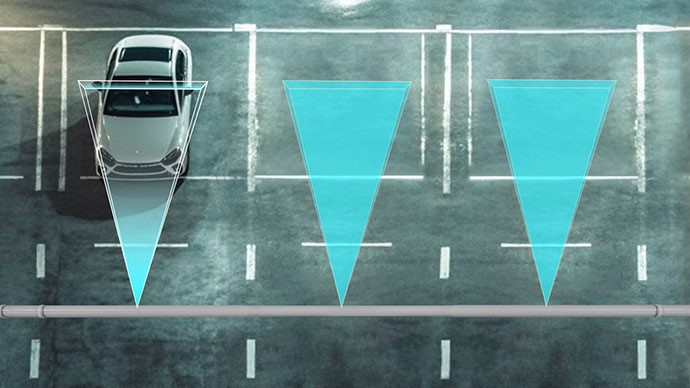
With the expansion of electric vehicle charging infrastructure, unattended charging stations can create safety concerns and unnecessary energy use. By integrating the benewake lidar distance sensor, a parking lot monitoring system can accurately determine when a vehicle occupies a space. Once a vehicle is detected, the system can wake the charging station to begin operation. After the vehicle leaves, the station can automatically return to sleep mode. This functionality not only reduces energy consumption but also minimizes risks associated with unattended charging equipment, contributing to more responsible city energy management.
Supporting Infrastructure Safety
Beyond energy management, these systems enhance the protection of urban assets. They can be installed to monitor parking areas near bridges, industrial zones, or other critical infrastructure. Using the benewake lidar distance sensor, the parking lot monitoring system can detect potential hazards such as improper parking or obstruction in restricted zones. This allows timely alerts and reduces the likelihood of collisions with fixed structures. For city operators, this adds a layer of safety and helps maintain orderly parking behavior while safeguarding public and municipal property.
Conclusion
Implementing a parking lot monitoring system powered by the benewake lidar distance sensor provides cities and facility managers with a reliable tool for improving parking efficiency, safety, and energy management. They enable precise vehicle detection, facilitate efficient charging station operation, and support the protection of urban infrastructure. These capabilities highlight how advanced sensing technology can strengthen city systems while enhancing day-to-day urban operations.