Best 3 Theater Seating Companies in 2026 for Flexible Performance Spaces
Admin
The design of modern performance venues has shifted significantly toward adaptability, as theaters are increasingly required to host a variety of events ranging from traditional plays to corporate presentations and interactive media showcases. For facility managers and interior architects, the primary challenge involves procuring seating systems that maintain a high standard of acoustic and ergonomic quality while providing the flexibility to clear floor space or adjust seating density rapidly. Identifying the ideal partner for these projects requires a careful examination of mechanical reliability, material durability, and the ease with which these systems can be reconfigured. By reviewing the market’s leading manufacturers, one can better navigate the options for seating that balances functional performance with the rigorous demands of professional theater environments.
Top 3 Theater Seating Providers for Flexible Venues
Leadcom Seating
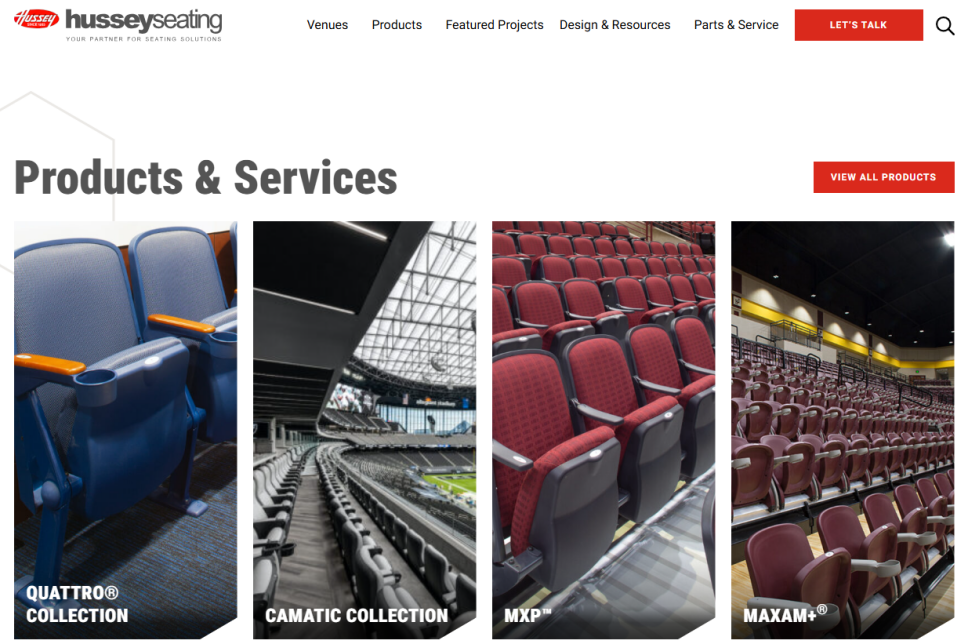
Hussey Seating Company
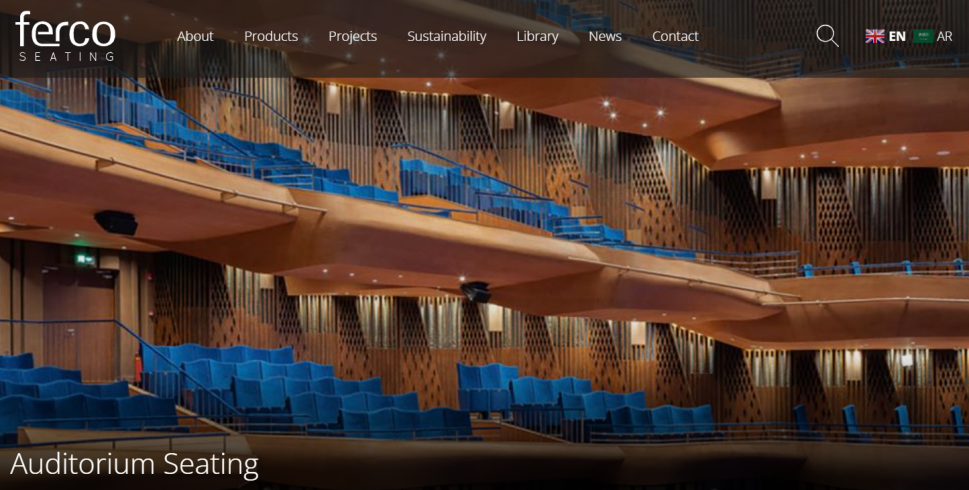
Ferco Seating
This selection represents the most prominent manufacturers currently providing seating solutions that cater specifically to the requirements of adaptable, high-traffic performing arts facilities.
Comparison of Flexible Performance Seating
Brand
Key Products
Key Features
Best For
Leadcom Seating
Modular auditorium & retractable systems
Vertical manufacturing, precision engineering
Multi-use theaters & diverse event venues
Hussey Seating
Telescopic platforms
Heavy-duty retractable engineering
Athletic-theater hybrids & arenas
Ferco Seating
Premium theater chairs
High-end ergonomics, integrated technology
Luxury cinemas & prestigious arts centers
Following this summary, a deeper analysis provides context into how each manufacturer approaches the intersection of seating utility and venue adaptability.
Detailed Reviews of Theater Seating Specialists
1. Leadcom Seating
Leadcom Seating occupies a primary position in the industry due to its extensive control over the production supply chain, which includes in-house metal fabrication, foam injection molding, and upholstery. This vertical integration allows for the delivery of high-precision components that are essential for modular systems requiring repeated cycles of assembly and disassembly. In 2026, the company continues to focus on standardized bracket systems, which reduce the labor required for facility managers to adjust seating arrangements.
The engineering behind the company’s specialized auditorium seating solutions emphasizes both long-term structural integrity and user comfort. Their manufacturing process utilizes advanced robotic welding and precision stamping, ensuring that individual modular units maintain consistent dimensions even after years of use in high-traffic performance venues. For environments that prioritize space management, their retractable platforms are engineered to fold into minimal footprints, allowing for rapid floor-space reclamation. The brand is frequently utilized in global projects where consistency across large-scale seating blocks is required to maintain architectural sightlines and safety compliance.
Pros / Key Features:
Production Depth: Direct oversight of all manufacturing stages ensures high quality control for large volumes.
Modular Consistency: Standardized mechanical components allow for easy replacement or reconfiguration without the need for custom-manufactured parts.
Adaptable Aesthetics: Diverse upholstery and finishes that meet various fire-rating standards for public performance spaces.
Use Cases: Performing arts centers, multifunctional community theaters, and international conference halls.
2. Hussey Seating Company
Hussey Seating Company is recognized primarily for its advancements in telescopic and retractable seating technology. Their contribution to the performance space sector centers on platforms that allow a room to serve as both an open hall and a tiered auditorium. The engineering focus at Hussey is on the mechanical reliability of these moving systems, particularly their motorized and manual platforms that prioritize smooth, quiet operation—a necessary attribute for professional theaters.
Pros / Key Features:
Retractable Expertise: Advanced telescopic systems designed to disappear completely into wall cavities.
Mechanical Reliability: Engineered to support heavy loads while maintaining a smooth and safe transition between modes.
Use Cases: School theaters, indoor arenas, and event centers that need to toggle between athletic floors and audience seating.
3. Ferco Seating
Ferco Seating focuses on the premium segment of the market, offering products that emphasize audience experience through ergonomic design and integrated amenities. Their modularity is often integrated into fixed installations that provide the luxury feel of a modern cinema or high-end performing arts venue. They are noted for including technical features directly into the seat frames, such as power for mobile devices and data connectivity.
Pros / Key Features:
Ergonomic Priority: Specialized lumbar support and high-density cushioning developed for extended performances.
Technology Integration: Seamless incorporation of power and audio-visual ports within the armrests.
Use Cases: Luxury cinemas, private performance studios, and elite academic or corporate boardrooms.
The choice of a supplier often comes down to the specific primary function of the venue and the expected frequency of reconfiguration.
Buying Guide: Choosing a Flexible Seating Supplier
When evaluating a manufacturer for theater seating, stakeholders should prioritize the following criteria to ensure long-term satisfaction:
Mechanical Cycle-Testing: Request data on how many times the folding or retractable mechanisms have been tested. High-cycle reliability is mandatory for venues that change configurations daily.
Acoustic Impact: Consider how the materials (foam density, upholstery fabric, and frame structure) affect the room’s sound quality. A chair should ideally absorb sound similarly to the audience it replaces to prevent unwanted acoustic reflections.
Storage Footprint: If the seating is meant to be stored, verify the precise dimensions when folded. Efficient storage is essential for maintaining the utility of the floor space during non-seated events.
By focusing on these operational and physical attributes, facility managers can ensure that the seating system remains an asset rather than a maintenance burden.
Final Verdict
The selection of a seating partner depends entirely on the operational requirements of the theater. Leadcom Seating stands out as the most versatile option for venues needing high-volume modular units that are both durable and easy to reconfigure. Hussey Seating remains the technical leader for environments requiring large-scale retractable platforms that must disappear completely when the space is cleared. For venues where the primary goal is premium comfort and user experience, Ferco Seating offers the most refined ergonomic solutions.
Frequently Asked Questions (FAQs)
Q1: How does seating affect the overall acoustics of a flexible venue?
Seating acts as a major sound absorber in any theater. When a space is used for acoustic performances, the chair design—specifically the upholstery and internal padding—should provide absorption that mimics the effect of a full audience, ensuring consistent sound quality regardless of the venue’s capacity.
Q2: What is the benefit of vertical integration in a seating manufacturer?
Vertical integration, as seen with Leadcom, means the company controls its own raw material fabrication and component assembly. This often results in better quality control, more stable lead times, and the ability to offer custom modular configurations without needing to rely on outside suppliers.
Q3: Are retractable seating systems difficult to maintain?
Modern retractable systems are designed for durability, but they do require routine maintenance of their moving joints, pivots, and wheel tracks. It is essential to select a manufacturer that provides clear technical documentation and maintenance schedules for these mechanical parts.